
The system that does not come off the shelf
From a blank sheet or an inherited codebase, we design and engineer products that move from specification to production. Not a prototype handed over with a wave, and not a demonstration that quietly needs rebuilding before anyone can use it.
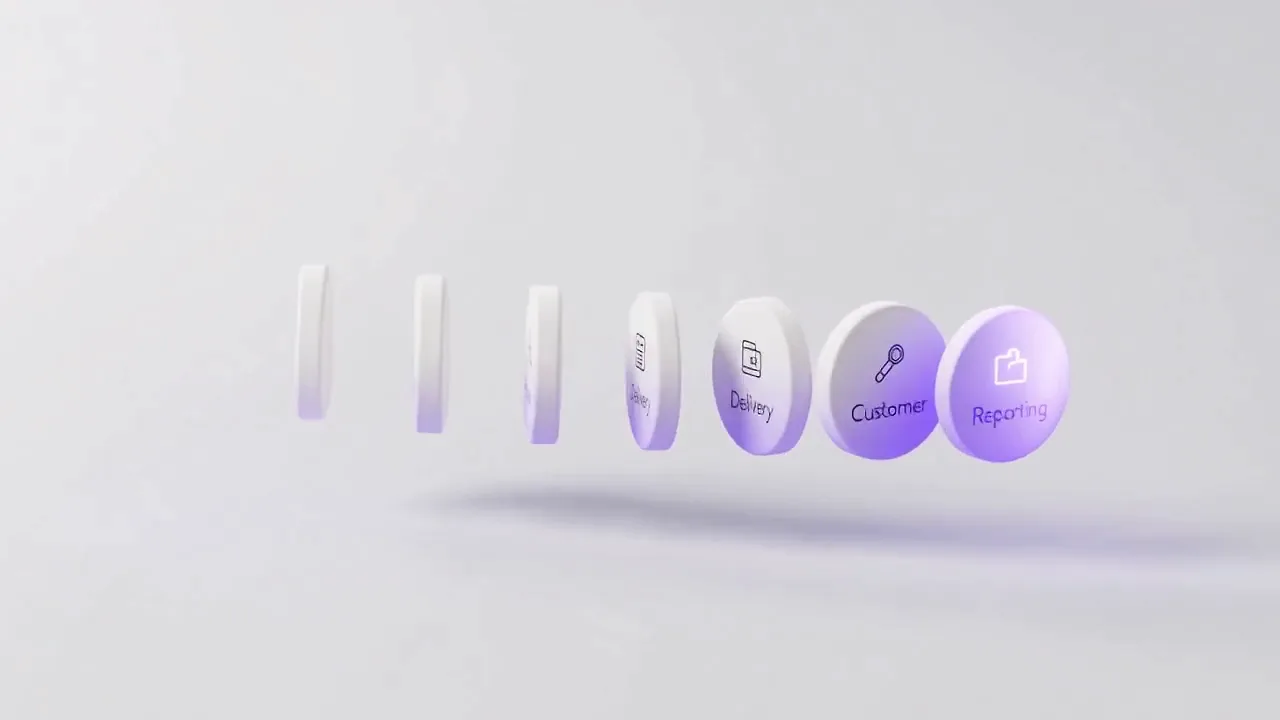
What makes the product work?
We do not start from a template. We start from how the business needs to operate, and engineer the product around it. The stages below are an illustration, not a client system - yours would be your own.
An illustrative business workflow moves from enquiry through delivery and reporting before converging into a bespoke software product supported by permissions, APIs, integrations and data.
- EnquirySomeone asks
- QuotePriced and sent
- ApprovalSigned off
- DeliveryWork happens
- CustomerKept informed
- ReportingWhat it tells you
- Permissions
- APIs
- Integrations
- Data
What we build
Product engineering, and the structural work underneath it that decides whether the product survives its second year.
Multi-tenant SaaS products
Tenancy model, entitlements, plan logic, onboarding and the administration surface behind them. The parts that are cheap to decide early and expensive to change once you have customers.
Internal platforms
The operational system a business runs on and cannot buy: scheduling, case handling, pricing, inventory, approvals, and whatever else currently lives in a spreadsheet nobody is allowed to touch.
Customer-facing products
Portals, applications and self-service journeys where the interface is the product and a support call is a defect.
APIs and service layers
Versioned, documented interfaces that other teams and other companies can build against, with the authentication, rate limiting and error contracts written down rather than discovered.
Integration into systems of record
CRM, ERP, finance, document stores and the third-party services your product depends on. Most of the risk in a new product lives at these seams.
Cloud architecture and environments
Environments, deployment, configuration and the operational shape of the thing, decided as part of the build rather than improvised the week before launch.
A prototype proves an idea. A product survives a Monday
A great deal of software is bought as a product and delivered as a prototype: the happy path works, the demonstration is convincing, and the first real week of use exposes everything that was never built. Error handling, permissions, concurrency, migrations, observability and the administrative screens are where a build either holds or does not.
We scope those in from the start and price them openly, which occasionally makes a proposal look more expensive than one that omits them. It is the same work either way. The only question is whether you pay for it before launch or after.
Architecture you can question
The decisions written down with their reasons, so a future team can tell what was deliberate.A test suite
Automated coverage of the paths that matter, running before a change ships rather than after it breaks.A deployment path
Repeatable releases with a way back. Deploying should be dull.A runbook and handover
So your own team can operate it, whether or not you keep us on to do it.Three commercial shapes, chosen around the problem
A defined outcome, a fixed price and a date. Best when you know what you want built.
A standing team against a roadmap and a quarterly outcome, not a headcount you manage. Best when the destination will move.
If you want us to remain involved after delivery, we can provide ongoing support, maintenance and improvement under an agreed support arrangement. One arrangement covers the conventional software and any AI we built into it.
Dedicated engineering capacity can be structured where that is genuinely the right commercial model. It is not our default, and we will not pretend a timesheet is an outcome.
Questions worth answering
What does Pixelette Technologies mean by custom software?
A system that does not come off the shelf, plus the integration work that connects it to the systems that do. That covers multi-tenant SaaS products, internal operational platforms, customer-facing applications and the APIs and cloud architecture behind them.
Can you start from an existing codebase rather than a blank sheet?
Yes. Engagements start either from a blank sheet or from an inherited codebase. Where a system already exists, the usual first step is an independent technical assessment and architecture review before committing to further development.
What do you hand over at the end of a build?
A running system, the architecture decisions written down with their reasons, an automated test suite, a repeatable deployment path with a rollback, and a runbook so your own team can operate the product whether or not the support contract continues.
Have something that needs building?
Tell us what it has to do and what already exists. We will tell you whether it is a fixed-scope build or a standing product team, and where the difficult parts are, before anyone books a workshop.